Table of Contents
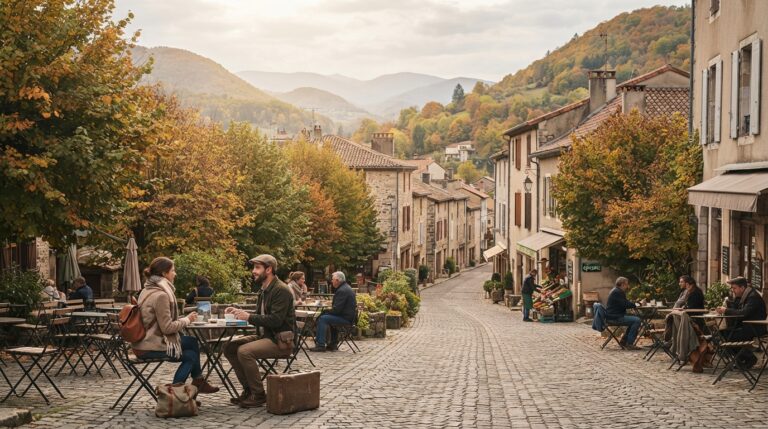
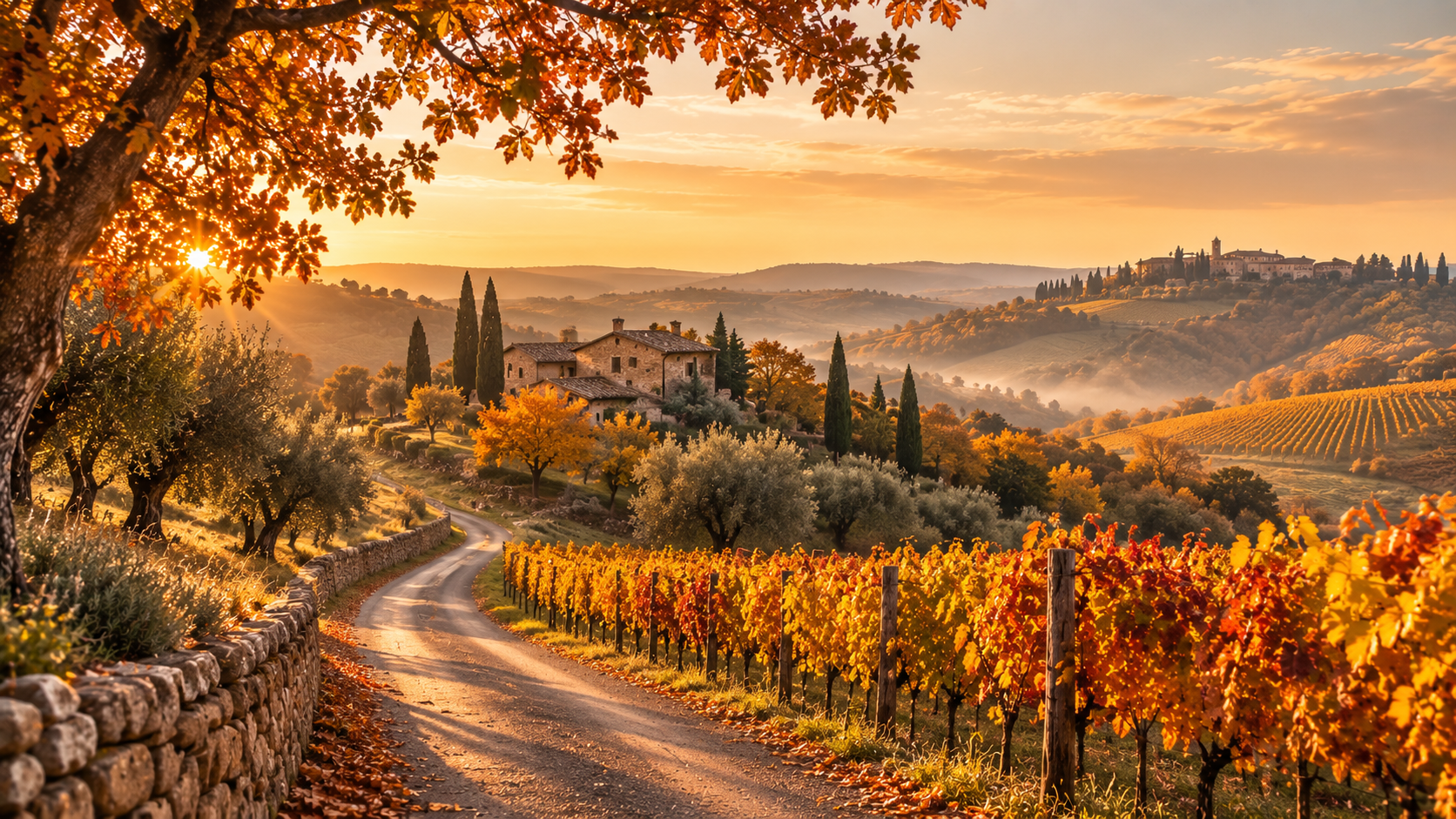
Europe changes character when summer begins to fade. The pace slows, the busiest attractions often become easier to enjoy, and many regions trade intense summer heat for more comfortable conditions. By October, vineyards, forests, mountain landscapes, and countryside begin taking on their autumn colors, while local food and cultural calendars become part of the travel experience.
For travelers who prefer more time in one place rather than a packed itinerary, fall can be particularly rewarding. You can spend a morning at a local market, linger over lunch, take a countryside walk in the afternoon, and still have time to explore a historic town without feeling rushed.
The best fall destinations in Europe range from Mediterranean coastlines where warm-weather travel can continue into October to mountain regions, wine country, historic cities, and rural landscapes that fully embrace the season.
This guide focuses on destinations that work especially well for fall and October travel, with an emphasis on local experiences, nature, food, culture, and the possibility of staying longer.
Best European Fall Destinations at a Glance
| Destination | Best Time to Visit | Primary Vibe / Highlight | Best For |
| Tuscany, Italy | October | Countryside, wine & historic towns | Food, wine, slow travel |
| Andalusia, Spain | October | Culture, mild weather & historic cities | Culture, food, longer trips |
| Algarve, Portugal | Early – Mid October | Coastal scenery & relaxed towns | Coastal travel, slow travel |
| Crete, Greece | October | Beaches, mountain villages & cuisine | Longer stays, nature, food |
| Bodrum, Türkiye | Sept – Early Oct | Quieter Aegean coast & dining | Mediterranean escapes |
| Madeira, Portugal | Fall (Year-round) | Dramatic landscapes & hiking | Hiking, outdoor travel |
| Mallorca, Spain | Fall | Serra de Tramuntana & quiet coast | Island travel, hiking |
| Provence, France | October | Harvest season & rural markets | Food, wine, countryside |
| Dubrovnik, Croatia | Early Fall | Adriatic coast & historic core | History, coastal travel |
| Sicily, Italy | October | Ancient history, food & coastal views | Food, history, culture |
| Slovenia | Fall | Forests, lakes & Julian Alps | Nature, hiking, road trips |
| Bavaria, Germany | October | Alpine scenery, lakes & forests | Autumn scenery, culture |
| Scottish Highlands | Fall | Dramatic lochs & open countryside | Nature, road trips, photography |
| Salzkammergut, Austria | Fall | Lakes, mountains & alpine villages | Lakes, mountains, scenery |
| Malta | October | Compact historic sites & coast | Mediterranean, history, culture |
Why Visit Europe in Fall?
Fall is one of the most interesting periods to explore Europe because the experience can change significantly from one region to another, Southern destinations may still offer pleasant coastal days, while Central and Northern Europe begin leaning into cooler weather and autumn scenery.
Fewer Crowds
Many European destinations become less busy after the summer peak, although popular cities and attractions can still be active, particularly around weekends and major events.
For travelers, this can mean a more comfortable experience at restaurants, museums, historic sites, and local markets. It can also make it easier to explore at your own pace rather than organizing every day around peak-season crowds.
Milder Weather
Weather is highly regional in Europe during fall.
Mediterranean destinations such as Crete, Sicily, Malta, and Bodrum can remain suitable for outdoor exploration well into October, while northern and mountainous destinations become considerably cooler.
The advantage is flexibility, If warm weather matters most, focus on southern Europe,If your priority is foliage, mountains, wine country, and classic autumn atmosphere, look farther north or inland.
Autumn Landscapes
Fall brings some of Europe’s most distinctive scenery.
Vineyards change color across wine regions, forests develop golden and copper tones, and mountain destinations become increasingly atmospheric, Rural areas can be particularly rewarding because the season becomes part of the destination rather than simply a change in weather.
Tuscany, Provence, Slovenia, Bavaria, and the Scottish Highlands are especially interesting choices for travelers who want landscapes to be part of the trip.
A Better Pace for Slow Travel
Fall naturally fits the kind of travel that does not require rushing.
Instead of combining several cities in a single week, you can choose one base, explore nearby villages, return to the same café, shop at local markets, and take day trips only when they genuinely appeal to you.
That slower rhythm is central to Travelorya’s approach: travel for longer, experience more locally, and leave enough space for the destination to unfold.
Potentially Better Value
Fall can sometimes offer better accommodation value than the height of summer, particularly during shoulder-season periods. However, prices vary significantly by destination, dates, events, and demand.
Transportation can also be cheaper or more expensive depending on when you book and where you travel.
The biggest potential advantage is not necessarily that every part of a trip costs less, but that travelers have more flexibility when avoiding the busiest summer dates.
15 Best Fall Destinations in Europe
1. Tuscany, Italy
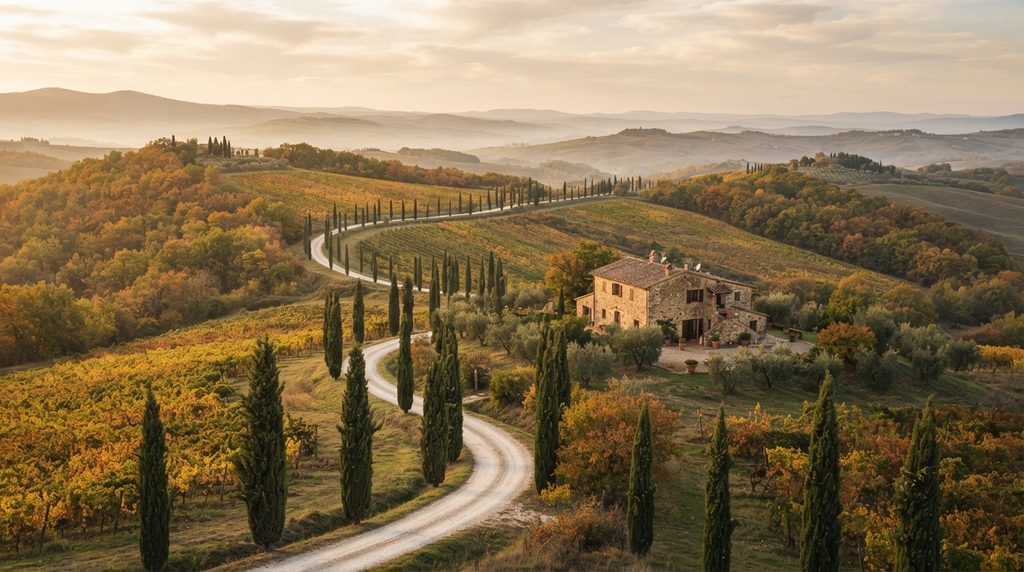
Tuscany is one of the strongest choices for travelers who want the classic combination of countryside, food, wine, historic towns, and an unhurried itinerary.
In fall, the region shifts away from the intensity of the summer season, The countryside becomes especially appealing for road trips and day excursions between towns such as Siena, San Gimignano, Montepulciano, and Pienza.
October is a particularly interesting period for combining rural scenery with food-focused travel. Depending on the timing of the season, visitors may encounter harvest-related activities, seasonal menus, local markets, and wine experiences.
Tuscany works best when you resist the temptation to see everything, Choose one base in the countryside or near a smaller town and use it to explore nearby areas.
A farmhouse stay, cooking experience, winery visit, or long lunch can become more memorable than adding another city to the itinerary.
Best for: Food and wine, countryside, road trips, slow travel
Browse handpicked Tuscan farmhouses and boutique hotels
Explore authentic Tuscan cooking classes and farmhouse dinners
2. Andalusia, Spain
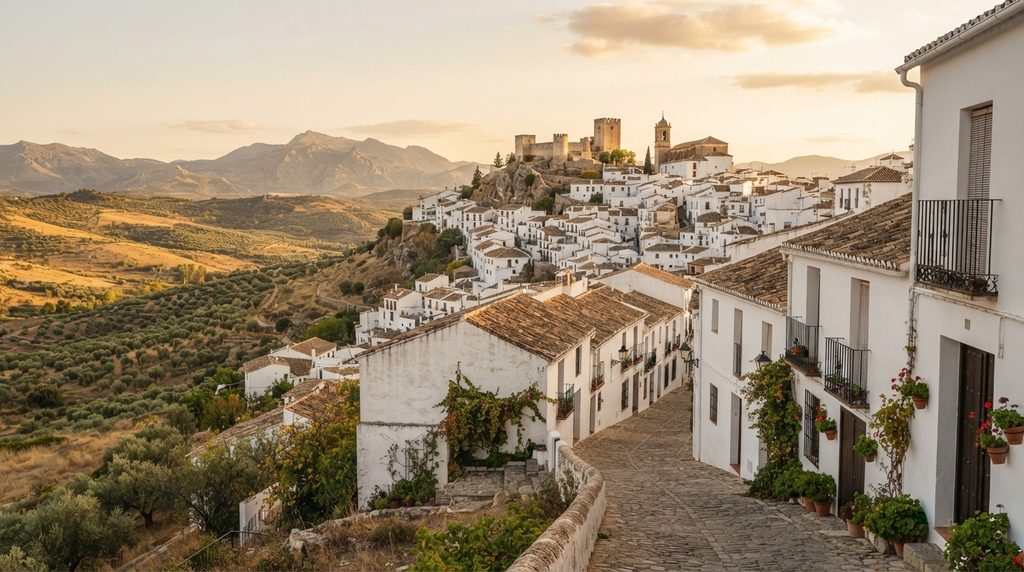
Andalusia is an excellent choice if you want culture, architecture, food, and outdoor exploration without committing to the cooler conditions found farther north.
Seville, Córdoba, Granada, Cádiz, and the surrounding countryside offer very different experiences, making the region suitable for both city breaks and longer trips.
Fall is particularly useful for travelers who want to explore historic neighborhoods and outdoor attractions without the strongest summer heat. October can be especially appealing, although conditions vary between inland cities, mountains, and the coast.
Rather than moving between cities every couple of nights, consider using Seville or another well-connected city as a base and adding carefully selected day trips.
For a slower experience, extend the itinerary into smaller towns or rural areas of Andalusia, where food, local traditions, and landscapes become as important as major landmarks.
Best for: Culture, food, historic cities, longer trips
Book guided cultural tours and architectural experiences in Andalusia
3. Algarve, Portugal
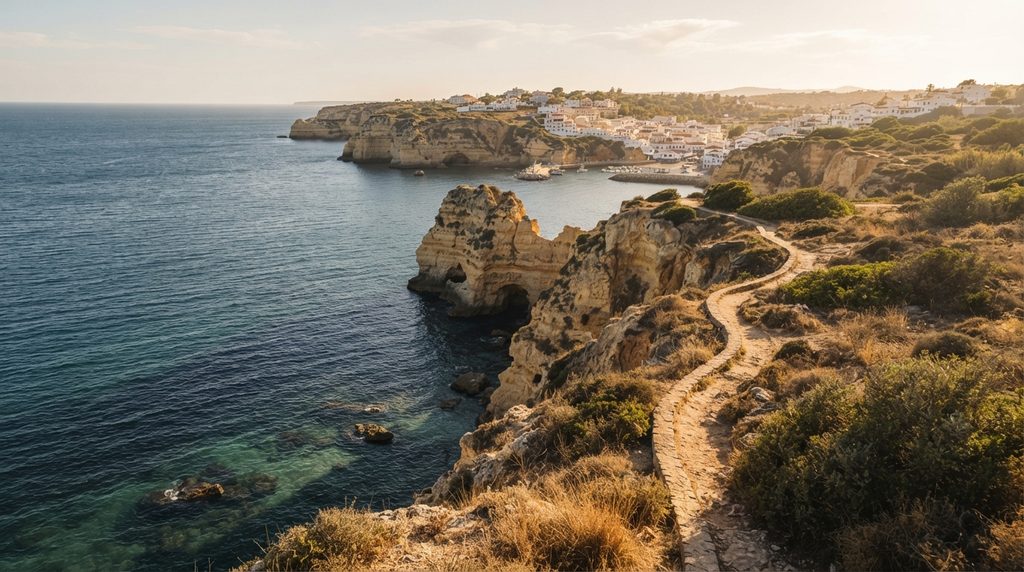
The Algarve is one of the better European options for travelers looking for a combination of coastal scenery, mild-season outdoor activities, and a more relaxed atmosphere.
Summer can be busy along the coast, while fall offers an opportunity to experience the region at a different pace. Coastal walks, small towns, seafood restaurants, and scenic viewpoints can take priority over a traditional beach holiday.
Lagos, Tavira, Carvoeiro, and other parts of the Algarve each offer different experiences, so the best base depends on whether you prioritize beaches, restaurants, nature, or access to day trips.
The region also works well for longer stays, Renting an apartment or choosing accommodation with a kitchen can make it easier to settle into a routine rather than treating every day as a sightseeing mission.
Best for: Coastal travel, longer stays, slow travel, food
Check coastal apartments and seaside resorts in the Algarve
Discover scenic boat tours and local food experiences
4. Crete, Greece
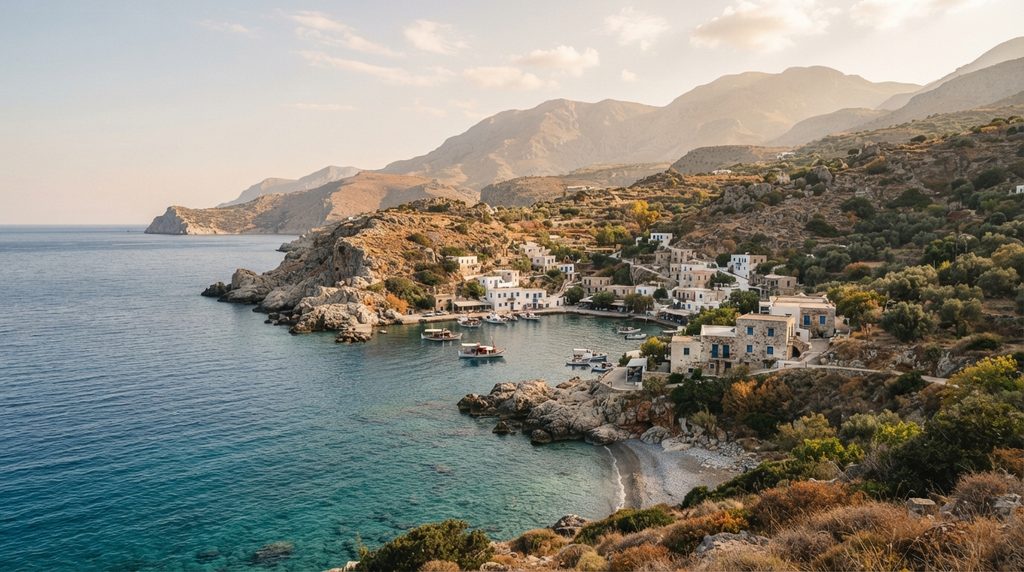
Crete is a strong fall destination for travelers who want Mediterranean scenery without limiting the trip to a conventional summer beach vacation.
The island combines beaches with archaeological sites, mountain villages, hiking opportunities, olive oil traditions, and regional cuisine.
October can be particularly useful for travelers who want to combine coastal exploration with cultural and outdoor activities. Conditions can vary, and the sea and weather are not guaranteed to feel like peak summer, so plan around the activities you care about most.
Crete is particularly well suited to a longer stay because of its size and variety. Instead of trying to cross the island constantly, choose a base in one region and explore nearby villages, beaches, archaeological sites, and food-producing areas.
A slower itinerary also leaves room for one of Crete’s greatest pleasures: spending time over a meal rather than immediately moving on to the next attraction.
Best for: Longer stays, food, nature, Mediterranean travel
Explore traditional stone villas and places to stay in Crete
Book authentic olive oil tastings and heritage food tours
5. Bodrum, Türkiye
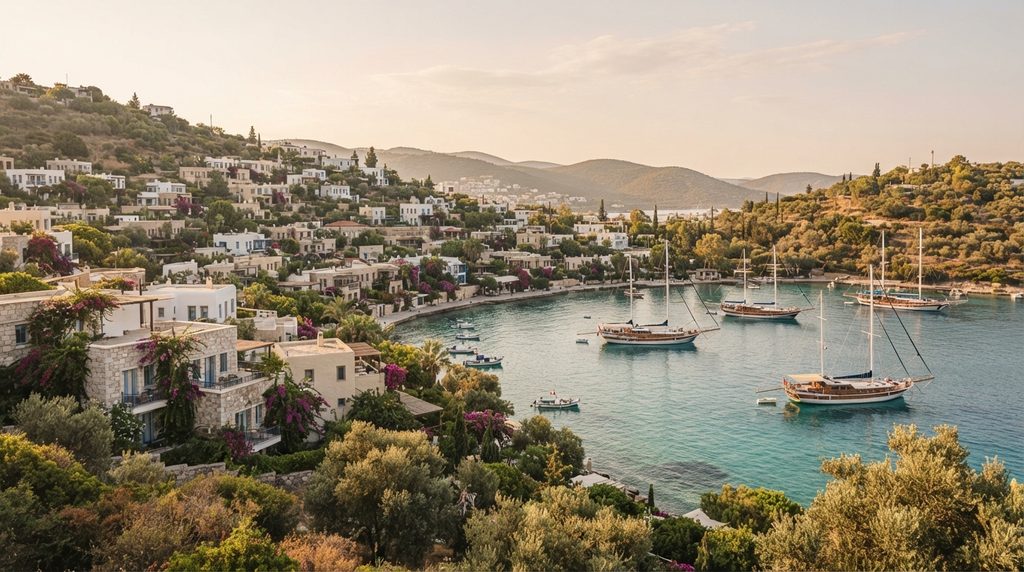
Bodrum is an especially interesting choice for travelers who want a Mediterranean-style fall escape but prefer something quieter than the height of summer.
The Aegean town combines coastal scenery, historic sites, marina life, restaurants, beaches, and smaller surrounding communities. By fall, the appeal shifts naturally from an intensive summer beach holiday toward exploring the peninsula at a more comfortable rhythm.
September and early October can be particularly attractive for travelers interested in combining coastal activities with sightseeing and outdoor dining, although weather becomes more variable as the season progresses.
Bodrum is also useful for travelers building a longer Aegean itinerary. Instead of staying only in the central town, you can explore areas such as Yalıkavak, Gümüşlük, Bitez, Turgutreis, or Türkbükü at a slower pace.
For a complete overview of the peninsula, see:
And if accommodation is your main planning question:
Best for: Mediterranean escapes, food, coastal travel, longer stays
6. Madeira, Portugal
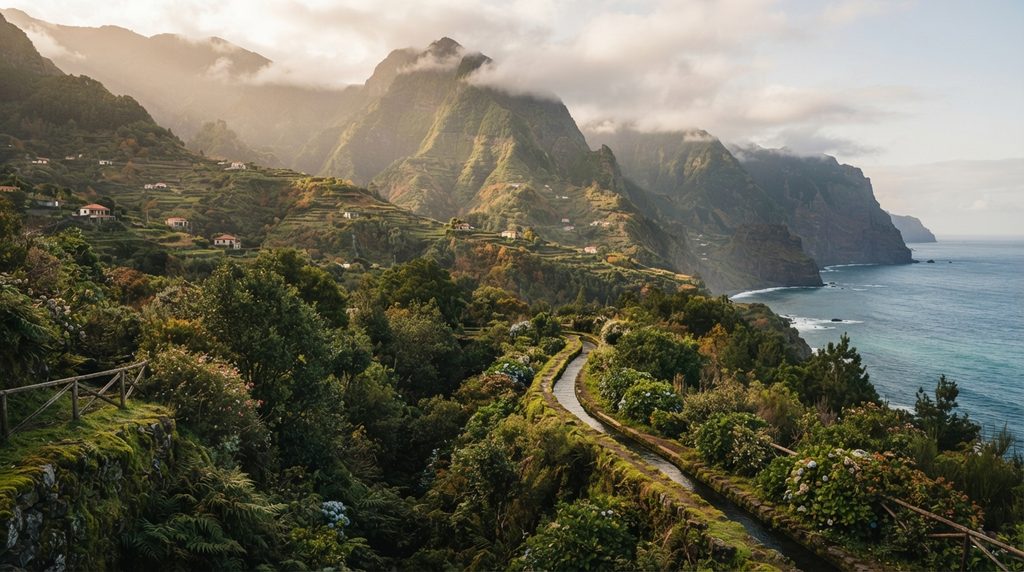
Madeira offers a very different type of European fall experience.
Instead of relying on classic autumn foliage, the Portuguese island is about dramatic landscapes, hiking, gardens, coastal viewpoints, and subtropical scenery. Its year-round climate makes it particularly interesting when mainland Europe is becoming cooler.
Fall is a good period for travelers who want to spend time outdoors. Hiking routes, levada walks, viewpoints, and smaller villages can form the backbone of an itinerary.
Funchal works well as a base for travelers who prefer restaurants, culture, and easier access to services, while those looking for more tranquility can consider staying outside the capital.
Madeira rewards travelers who allow time for weather changes. Mountain conditions can differ from those along the coast, so flexibility is useful when planning outdoor activities.
Best for: Hiking, nature, outdoor travel, longer stays
Check guided levada walks and outdoor adventure tours in Madeira
7. Mallorca, Spain
Mallorca is often associated with summer beach holidays, but fall reveals a broader side of the island.
The Serra de Tramuntana, inland villages, historic Palma, local food, and quieter coastal areas become more important once the peak beach season begins to fade.
For a slower trip, consider dividing your time between Palma and a smaller base in the countryside or northwestern part of the island. This gives you access to culture and restaurants while allowing time for hiking, scenic drives, village visits, and long lunches.
Cycling and hiking can also be more attractive in fall than during the hottest part of summer, although conditions vary by day and elevation.
Mallorca is particularly suitable for travelers who want the flexibility to combine nature and culture without crossing international borders or changing hotels constantly.
Best for: Island travel, hiking, food, countryside
Browse tranquil countryside fincas and hotels in Mallorca
8. Provence, France
Provence is at its best when approached slowly.
Rather than treating the region as a checklist of famous villages, use one town or rural property as a base and explore the surrounding markets, vineyards, landscapes, and smaller communities.
Fall brings a different rhythm to Provence, with harvest season and seasonal food adding depth to the experience. The region is particularly attractive to travelers interested in markets, wine, regional cuisine, photography, and countryside drives.
A car can be useful for exploring rural Provence, while larger towns and cities provide alternatives for travelers who prefer public transportation.
October is worth considering for travelers who want a quieter countryside experience, but the weather can become less predictable as the month progresses.
Best for: Food, wine, countryside, slow travel
Find romantic countryside properties and hotels in Provence
Explore scenic lavender fields and local artisan markets in Provence
9. Dubrovnik & Southern Croatia
Dubrovnik and southern Croatia offer an opportunity to experience the Adriatic beyond the traditional summer season.
Dubrovnik’s historic core remains an important attraction, but fall allows you to expand the trip beyond the city itself. The surrounding coastline, islands, smaller settlements, and regional food culture can become part of a more relaxed itinerary.
Early fall is generally more suitable for travelers prioritizing coastal activities, while later October is better approached as a sightseeing and cultural trip rather than a guaranteed beach holiday.
For a slower journey, spend several nights in Dubrovnik and then choose another base in southern Dalmatia rather than attempting to see the entire Croatian coast.
Best for: History, Adriatic coast, food, cultural travel
Book historic walking tours and Adriatic island boat trips
10. Sicily, Italy
Sicily is one of Europe’s most compelling choices for travelers who want a destination substantial enough to fill a longer fall trip.
The island combines ancient history, distinctive architecture, regional food, coastal landscapes, mountains, and cities with very different personalities.
Palermo, Catania, Syracuse, Noto, Taormina, and smaller towns can support several different itineraries, but Sicily rewards travelers who avoid trying to cover the entire island in a few days.
October can be a particularly useful period for combining sightseeing with outdoor exploration, while temperatures and conditions vary across the island.
For a longer stay, choose one side of Sicily and explore it thoroughly. This reduces transportation time and gives you more opportunities to experience local food and everyday life.
Best for: Food, history, longer stays, culture
Discover atmospheric historic hotels and stays across Sicily
Explore ancient site tours and traditional Sicilian food experiences
11. Slovenia
Slovenia is one of the most versatile choices on this list for travelers interested in nature, small towns, and an efficient itinerary.
Lake Bled is the country’s best-known destination, but the appeal extends to Ljubljana, Lake Bohinj, the Julian Alps, vineyards, caves, and rural areas.
Fall is especially interesting because the country combines forests and mountains with an increasingly seasonal atmosphere. Hiking conditions depend on elevation and weather, so higher mountain routes may require more careful planning as the season advances.
Slovenia is also well suited to travelers who want to combine a city stay with nature without spending the entire trip on long transfers.
For slow travel, Ljubljana can serve as a cultural base while rural areas provide a completely different pace.
Best for: Nature, hiking, small towns, road trips
12. Bavaria, Germany
Bavaria offers the traditional European autumn experience in a way that differs sharply from the Mediterranean destinations on this list.
Forests, lakes, historic towns, alpine scenery, and seasonal food create a strong case for visiting in fall. Munich can provide the urban component, while destinations farther south offer access to mountains and countryside.
October is particularly interesting for travelers who want autumn scenery and cultural experiences, although temperatures can vary considerably.
A Bavaria itinerary works well when you combine a major city with smaller bases rather than staying entirely in Munich. This makes it possible to slow down and experience the region beyond its headline attractions.
Travelers should also plan around major events and school holidays, which can affect accommodation demand and transportation.
Best for: Autumn scenery, culture, mountains, countryside
Find cozy alpine lodges and city hotels in Bavaria
13. Scottish Highlands, Scotland
The Scottish Highlands are for travelers who actively want the cooler, atmospheric side of fall.
Here, the appeal is not warm weather, It is landscapes: lochs, mountains, open countryside, forests, historic sites, and long scenic drives.
Fall can bring dramatic changes in light and landscape, but weather is unpredictable and daylight becomes shorter as the season progresses.
This makes planning important. Build flexibility into hiking and driving days, and avoid creating an itinerary that depends on perfect weather.
A slower Highlands trip might involve choosing one or two bases and spending several days exploring nearby landscapes rather than constantly changing accommodation.
The region is particularly rewarding for photographers, hikers, road-trippers, and travelers who prefer dramatic nature over city sightseeing.
Best for: Nature, road trips, photography, hiking
14. Salzkammergut, Austria
The Salzkammergut is an excellent choice for travelers who want lakes, mountains, villages, and a quieter alternative to Europe’s major cities.
The region includes numerous lakes and alpine communities, with Hallstatt being the best-known name. However, a fall trip becomes more interesting when you explore beyond the most photographed places.
Autumn colors, mountain scenery, lakeside walks, and local food make the region particularly attractive for a slower itinerary.
Because weather can change quickly in alpine areas, flexibility is important, especially for hiking.
Rather than using the region as a rushed day trip, stay several nights and allow time for nearby lakes and villages. That approach better matches the character of the area.
Best for: Lakes, mountains, villages, autumn scenery
15. Malta
Malta is a practical option for travelers looking to extend their Mediterranean season into fall.
Its compact size makes it possible to combine historic sites, coastal scenery, swimming opportunities when conditions allow, local food, and day trips without changing hotels frequently.
Valletta can work as a cultural base, while other parts of the island offer a different pace. Gozo is particularly useful for travelers looking for more rural landscapes and a slower atmosphere.
October can still be suitable for outdoor exploration and coastal activities, but conditions are naturally less predictable than in summer.
Malta’s small scale is one of its biggest advantages for longer stays: you can settle into one accommodation and explore different parts of the islands as day trips.
Best for: Mediterranean travel, history, longer stays, culture
Browse Valletta boutique hotels and relaxing stays in Malta
Book historical harbor cruises and Gozo day tours
Best European Fall Destinations by Travel Style
Best for Warm Weather
For the best chance of warmer fall conditions, look toward the Mediterranean and southern Europe.
Bodrum, Crete, Malta, Sicily, Algarve, Madeira, Mallorca, and Andalusia are strong candidates, especially in early October.
However, October weather varies considerably, so choose based on your tolerance for cooler evenings and occasional rain rather than expecting summer conditions.
Best for Slow Travel
Tuscany, Provence, Algarve, Crete, Mallorca, and Sicily stand out for travelers who want to spend several nights in one place.
These destinations reward staying longer because food, villages, countryside, and local experiences are often more enjoyable when you are not constantly moving between hotels.
Best for Nature
For landscapes and outdoor experiences, consider Madeira, Slovenia, the Scottish Highlands, Salzkammergut, Bavaria, and Mallorca.
Each offers a different version of fall: subtropical island scenery in Madeira, forests and mountains in Slovenia, dramatic Highland landscapes in Scotland, and alpine lakes and countryside in Austria and Bavaria.
Best for Small Towns and Countryside
Tuscany, Provence, Bavaria, Slovenia, Salzkammergut, and the Algarve are particularly strong.
These destinations allow you to build an itinerary around villages, markets, countryside drives, local restaurants, and regional landscapes rather than focusing entirely on major cities.
Best for Longer Stays
If you have a week or more, consider Crete, Sicily, Algarve, Bodrum, Malta, Tuscany, or Andalusia.
Their geographic size, variety of activities, and regional differences give you enough material to build a slower itinerary without feeling that you have run out of things to explore.
Best for Food and Culture
For a combination of food and cultural depth, Tuscany, Sicily, Andalusia, Provence, Crete, and Malta are especially compelling.
Instead of treating meals as stops between attractions, build the itinerary around markets, regional specialties, cooking experiences, wineries, bakeries, and local restaurants.
Best Fall Destinations in Europe for October
October is not a single travel season across Europe. Early, middle, and late October can feel quite different depending on latitude and elevation.
Early October
Early October is generally the most flexible period for travelers who want to combine Mediterranean destinations with Central European fall scenery.
Bodrum, Crete, Malta, Sicily, Mallorca, Algarve, Andalusia, and Provence can be good choices for travelers prioritizing milder conditions.
At the same time, Tuscany, Slovenia, Bavaria, and Salzkammergut can appeal to those who want the beginning of the classic autumn landscape.
Mid-October
By mid-October, fall becomes more noticeable across Central Europe, while many southern destinations can remain attractive for outdoor sightseeing.
Consider Tuscany, Provence, Slovenia, Bavaria, Mallorca, Sicily, Crete, and the Algarve, depending on your priorities.
This is also a good point in the season to prioritize cultural travel, food experiences, countryside exploration, and hiking where conditions permit.
Late October
Late October generally favors southern and Mediterranean destinations if mild weather is important.
Sicily, Malta, Crete, Algarve, Andalusia, Madeira, and Bodrum can remain interesting choices, while Central and Northern Europe become increasingly oriented toward cooler-weather travel.
Always check current local conditions before booking activities that depend heavily on weather.
For a more focused month-by-month guide, continue with:
Best Places to Visit in Europe in October
How to Plan a Slow Fall Trip in Europe
A slower European trip does not necessarily require more money or more time. Often, it simply means making different choices.
Choose One Main Base
Instead of changing hotels every two nights, choose one main base and explore the surrounding region.
This reduces packing, check-in time, transportation, and the mental pressure of constantly planning the next destination.
Stay 4–7 Nights When Possible
Four to seven nights is not a strict rule, but it can be a useful starting point.
A longer stay gives you time for a normal day between sightseeing days. You can visit a market, do laundry, work remotely if needed, take a spontaneous day trip, or simply spend an afternoon doing very little.
Use Trains and Local Transport Where Practical
Rail travel can be an excellent choice in destinations with strong train networks, while buses, ferries, rental cars, and regional transport may make more sense elsewhere.
Do not force a train-based itinerary onto a region where a car provides much better access to villages and countryside.
Leave Room for Local Experiences
Reserve some space for experiences you discover after arriving.
That could mean a food market, walking tour, cooking class, village festival, winery visit, museum, local café, or simply asking someone where they would eat on a normal weekday.
These moments can become the most memorable parts of a trip.
Avoid Overplanning
A detailed itinerary can be useful, but every hour does not need to be assigned.
A slower trip leaves room for weather changes, unexpected discoveries, rest, and returning to places you enjoyed.
How Much Does a Fall Trip to Europe Cost?
There is no single reliable price for a European fall trip because the cost depends heavily on destination, travel dates, accommodation standards, transportation, and activities.
Mediterranean destinations may have very different pricing from major Central European cities. A rural stay can also cost more or less than a city hotel depending on the property and dates.
The biggest factors to consider are:
- Destination: Major cities and popular resort areas can have higher accommodation costs.
- Travel dates: Prices can change around weekends, holidays, festivals, and major events.
- Accommodation: Hotels, apartments, guesthouses, and rural stays offer different price points.
- Transportation: Flights, trains, rental cars, ferries, and local transport can significantly affect the total.
- Length of stay: A longer stay increases accommodation costs but can reduce the frequency of transportation and hotel changes.
- Activities: Tours, attractions, food experiences, and excursions can add substantially to the budget.
- Seasonality: Shoulder-season dates can sometimes offer better value than peak summer, but this varies by destination.
One of the advantages of slow travel is that staying longer in one place can sometimes make the overall itinerary more efficient. Fewer transfers mean fewer transportation costs and less time lost between destinations.
What to Pack for Fall in Europe
Packing for Europe in fall is mostly about flexibility; Temperatures can change significantly between morning and afternoon, and conditions can differ between coastal and mountain destinations.
Start with lightweight layers that can be added or removed throughout the day, A waterproof jacket is useful in many destinations, especially if your itinerary includes countryside or mountain areas.
Bring comfortable walking shoes suitable for cobblestones, uneven paths, and longer sightseeing days. A compact umbrella can also be useful without taking up much luggage space.
A small day bag is practical for carrying water, a layer, and personal essentials while exploring.
Remember a travel adapter appropriate for the countries on your itinerary, particularly if you are visiting multiple regions.
Finally, a reusable water bottle can be useful for long sightseeing days and outdoor activities where drinking water is available.
The key is to pack for changing conditions rather than for one assumed temperature.
Frequently Asked Questions
What is the best European country to visit in fall?
There is no single best country for every traveler. Italy, Portugal, Spain, Greece, Slovenia, France, and Türkiye can all work well depending on whether you prioritize warm weather, food, countryside, nature, or culture.
Where is warmest in Europe in October?
Southern Mediterranean destinations generally offer the best chance of milder October conditions, including Malta, Sicily, Crete, southern Spain, Algarve, Madeira, and Bodrum. Weather varies from year to year, so conditions should be checked for your exact dates.
Is October a good time to visit Europe?
Yes, October can be an excellent month for Europe, particularly for travelers who prefer fewer peak-summer crowds, seasonal scenery, cultural sightseeing, and potentially more flexible accommodation options.
What are the best European destinations for slow travel in fall?
Tuscany, Provence, Algarve, Crete, Sicily, Mallorca, and parts of Andalusia are particularly well suited to slower trips because they offer food, countryside, villages, local experiences, and enough regional variety for longer stays.
Where can I go for a quiet fall vacation in Europe?
The countryside and smaller communities of Tuscany, Provence, Slovenia, Salzkammergut, Bavaria, and the Algarve can offer a quieter experience than Europe’s largest cities, although popular attractions may still be busy.
What European destinations are good for a longer stay in fall?
Crete, Sicily, Algarve, Malta, Bodrum, Tuscany, and Andalusia are strong options because they combine varied landscapes, food, cultural attractions, and day-trip possibilities.
Is Europe cheaper in fall than in summer?
Sometimes, but not everywhere. Fall can bring shoulder-season pricing in some destinations, while weekends, holidays, festivals, and popular locations may remain expensive. Compare your exact dates before booking.
Conclusion
The best fall destination in Europe depends less on finding one universally superior place and more on matching the season to the way you want to travel.
For warm-weather escapes, look toward Crete, Sicily, Malta, Algarve, Madeira, Mallorca, Andalusia, or Bodrum. For classic autumn landscapes, consider Tuscany, Slovenia, Bavaria, Salzkammergut, or the Scottish Highlands.
If your priority is slow travel, destinations such as Tuscany, Provence, Algarve, Mallorca, and Crete make it easy to build an itinerary around local food, countryside, villages, and longer stays. And if you want to settle somewhere for a week or more, Sicily, Crete, Malta, Bodrum, and the Algarve offer plenty of variety without requiring constant hotel changes.
Fall is ultimately less about seeing as much as possible and more about experiencing a destination at a pace that leaves room for discovery.
For a closer look at October-specific options, continue with: